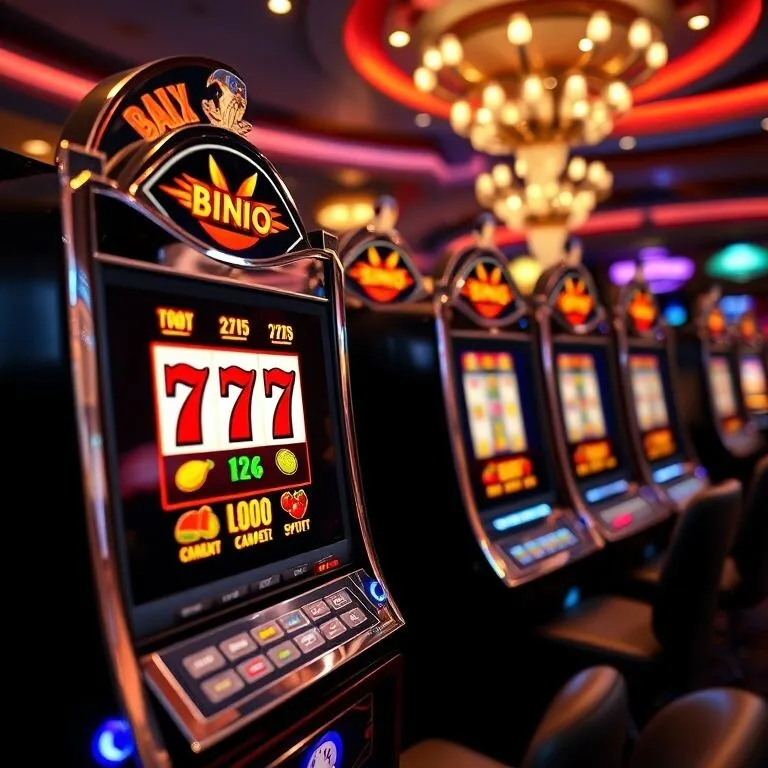
The flashing lights, the spinning reels, the tantalizing promise of a life-altering jackpot – slot machines hold a magnetic allure for gamblers around the world. But beyond the glitz and glamour, a fundamental question lingers: are slot machines purely a game of chance, or is there more to it than meets the eye?
Consider Maria, a newcomer to the casino scene, who firmly believed in “lucky” machines. She’d spend hours hopping from one slot to another, convinced that her gut feeling would eventually lead her to a big win. But as the night wore on, Maria’s initial excitement waned, replaced by frustration and dwindling funds. Was she simply unlucky, or was there a deeper understanding of slot machine mechanics that she was missing?
Myths and misconceptions surrounding slot machines are as pervasive as the machines themselves. From the belief that casinos can remotely manipulate payouts to the notion that certain times of day are “luckier” than others, these falsehoods often cloud the reality of how slots actually work.
This article aims to demystify the world of slot machines, stripping away the layers of speculation and revealing the underlying truth. We’ll delve into the inner workings of these popular casino games, exploring the role of Random Number Generators (RNGs), the concept of Return to Player (RTP), and the impact of volatility on your gambling experience. By the end, you’ll have a clear understanding of whether slot machines are truly a matter of luck, or if there are strategies and insights that can help you make more informed decisions.
Understanding the Basics of Slot Machines
Slot machines, at their core, are relatively simple games of chance, yet their flashing lights and potential for big wins can be incredibly captivating. To truly understand how they work, it’s essential to break down the key components. The reels are the spinning cylinders that display a variety of symbols. These symbols might be anything from fruits and numbers to characters and logos, depending on the theme of the game. The arrangement of these symbols after the reels stop dictates whether you win or lose.
Paylines are the lines on which matching symbols must land to award a payout. Classic slot machines often feature a single payline, while modern video slots can have dozens, or even hundreds. Some slots even offer adjustable paylines, allowing players to choose how many they want to activate on each spin. The slot machine mechanics are governed by a random number generator (RNG), ensuring that each spin is independent and unbiased. When you press the spin button, the RNG selects a random sequence of numbers, which then determines the position of the reels and the resulting symbol combination. This ensures fairness and unpredictability.
Types of Slot Machines
The world of slot machines is diverse, offering a variety of options to suit different player preferences. Classic slots, also known as traditional or fruit machines, typically feature three reels and a limited number of paylines. They often showcase iconic symbols like cherries, lemons, and lucky sevens. These slots are appreciated for their simplicity and nostalgic appeal.
Video slots, on the other hand, represent the modern evolution of slot machines. They generally have five or more reels and a multitude of paylines, sometimes even thousands. Video slots boast stunning graphics, immersive sound effects, and elaborate bonus features, such as free spins, mini-games, and multipliers.
Another type is Progressive slots that offer the potential for life-changing payouts. A portion of each wager on a progressive slot contributes to a shared jackpot, which grows until one lucky player hits the winning combination. While the odds of winning a progressive jackpot are slim, the potential reward can be massive. There are also 3D slots that utilize advanced graphics and animation to create a more immersive and visually appealing gaming experience. These slots often feature cinematic storylines and interactive bonus rounds. Each type of slot has its unique advantages and disadvantages, so it’s important to choose one that aligns with your individual preferences and playing style.

The Role of Random Number Generators (RNGs)
At the heart of every slot machine, whether it’s a classic three-reel or a modern video slot, lies a sophisticated piece of technology called a Random Number Generator, or RNG. The RNG is the brains behind the operation, an algorithm that constantly spits out number sequences, even when the machine isn’t being played. These numbers determine the outcome of each spin. When a player hits the spin button, the slot machine grabs the most recent number from the RNG, and uses that to decide which symbols land on the reels. This process happens in milliseconds, making it seem instantaneous.
The importance of the RNG cannot be overstated. It’s the cornerstone of fairness and randomness in slot machine outcomes. Without a properly functioning RNG, the game would be predictable and open to manipulation. The RNG ensures that every spin is an independent event, with the same odds of winning as the spin before. Think of it like shuffling a deck of cards before each deal, guaranteeing a fresh and unbiased outcome every time.
Debunking RNG Myths
Despite their crucial role in fair play, RNGs are often shrouded in misconceptions. One common myth is that slot machines can be “due” for a win, or that casinos can somehow control the RNG to manipulate the odds. This is simply not the case. Regulations are in place to prevent either scenario.
Gaming commissions rigorously test and certify RNGs to ensure their true randomness and prevent any possibility of manipulation. These tests involve complex statistical analysis to verify that the numbers generated are truly unpredictable and unbiased. Think of these agencies as watchdogs, dedicated to maintaining the integrity of the gaming industry. They ensure that players can enjoy their favorite games with confidence, knowing that the odds are fair and the outcomes are truly random.
Return to Player (RTP) and Volatility
Understanding Return to Player (RTP) and volatility is crucial for anyone venturing into the world of slots. RTP, often expressed as a percentage, represents the amount of wagered money a slot machine is programmed to pay back to players over a long period. For example, an RTP of 96% suggests that for every $100 wagered, the machine will theoretically return $96. It’s important to remember that RTP is a long-term average, and short-term results can vary significantly.
Volatility, also known as variance, describes the risk associated with playing a particular slot. High volatility slots tend to offer larger but less frequent wins, requiring more patience and a larger bankroll. Low volatility slots, on the other hand, provide smaller, more frequent payouts, offering a more consistent but less lucrative experience. The house edge is the opposite of RTP which represents the casino’s profit from a game.
Choosing between high and low volatility slots depends on individual preferences and risk tolerance. Players seeking big wins and excitement might prefer high volatility, while those who prefer steady gameplay with less risk may opt for low volatility options.
Finding RTP Information
Locating RTP information isn’t always straightforward, but several resources exist. Official game documentation often includes the RTP percentage. Many online casinos also publish RTP details on their websites, usually within the game information or help sections. Reputable slot review sites provide in-depth analyses of various games, including RTP figures. It is importing to make sure that you are using a reliable source.
Common Slot Machine Myths Debunked
Slot machines, with their flashing lights and alluring sounds, are often shrouded in mystery and misconceptions. Many players believe in strategies and patterns that simply don’t exist. Let’s debunk some common slot machine myths, separating fact from fiction.
Myth: “Hot” and “Cold” Machines
One of the most persistent myths is the idea of “hot” and “cold” machines. The belief is that a machine that has recently paid out is “cold” and unlikely to pay again soon, while a machine that hasn’t paid out in a while is “hot” and due for a win. This is completely false. Slot machines use Random Number Generators (RNGs). Each spin is an independent event with an equal chance of winning, regardless of previous outcomes. Past performance has absolutely no bearing on future results.
Myth: Payout Patterns
Another common misconception is that slot machines follow predictable payout patterns. Some players believe they can identify these patterns and time their bets accordingly. However, due to the RNG, there are no predictable patterns. The outcome of each spin is random and cannot be predicted. Gambling commissions rigorously test and certify RNGs to ensure fairness and randomness.
Myth: Casino Manipulation
The idea that casinos can manipulate slot machines to prevent payouts is another unfounded myth. While casinos certainly want to make a profit, manipulating slot machines in such a way is illegal and carries severe penalties. Reputable casinos are heavily regulated and audited to ensure fair play. The RNGs are regularly tested to confirm their randomness and prevent any possibility of manipulation. The integrity of the game is crucial for maintaining customer trust and avoiding legal repercussions.
Strategies for Responsible Gambling
Gambling can be an enjoyable pastime, but it’s crucial to approach it responsibly to avoid potential harm. Responsible gambling isn’t about eliminating the fun; it’s about maintaining control and ensuring that gambling remains a source of entertainment, not a source of stress or financial hardship.
Effective Bankroll Management
Smart bankroll management is the cornerstone of responsible gambling. Before even placing a bet, decide on a specific budget for your gambling activities. This budget should be money you can comfortably afford to lose without impacting your essential expenses. Divide your bankroll into smaller units, and only gamble with a predetermined amount during each session. Keep a detailed record of your wins and losses to monitor your spending and stay within your limits. Avoid chasing losses, as this often leads to impulsive decisions and further financial strain.
Setting Time and Spending Limits
Establish clear limits on both the time and money you dedicate to gambling. Use timers or alarms to keep track of your gambling sessions and stick to predefined timeframes. Many online platforms and casinos offer tools to set deposit and spending limits, allowing you to proactively manage your gambling habits. Regularly review and adjust your limits as needed.
Understanding Addiction and Prevention
Recognize the signs of problem gambling. This includes gambling with increasing amounts of money, lying about gambling habits, feeling restless or irritable when trying to cut down, and using gambling as an escape from problems. If you notice these signs in yourself or someone you know, seek help immediately. Numerous resources are available, including helplines, support groups, and counseling services specializing in gambling addiction. Explore self-exclusion programs offered by casinos and online platforms, which allow you to voluntarily ban yourself from gambling venues.
Ultimately, responsible gambling comes down to making informed choices and staying in control. Remember that gambling should be viewed as a form of entertainment, not a get-rich-quick scheme. By implementing these strategies, you can minimize the risks associated with gambling and enjoy it responsibly.
Conclusion
Slot machines, with their flashing lights and enticing sounds, offer a thrilling form of entertainment. However, beneath the surface lies a complex interplay of luck, probability, and sophisticated technology like the RNG. Understanding how these machines work is crucial for anyone who chooses to play them.
This exploration has revealed that while there’s no guaranteed way to win at slots, making informed decisions can significantly enhance the gaming experience. Remember, the outcome of each spin is entirely random, governed by the RNG. Therefore, chasing losses or betting more than one can afford is never a good idea.
Ultimately, slot machines should be viewed as a source of entertainment, not a path to financial gain. By practicing responsible gambling habits, and setting limits, players can enjoy the excitement of slots without risking negative consequences. Play smart, stay informed, and remember that it’s all about having fun. If the fun stops, it’s time to step away.